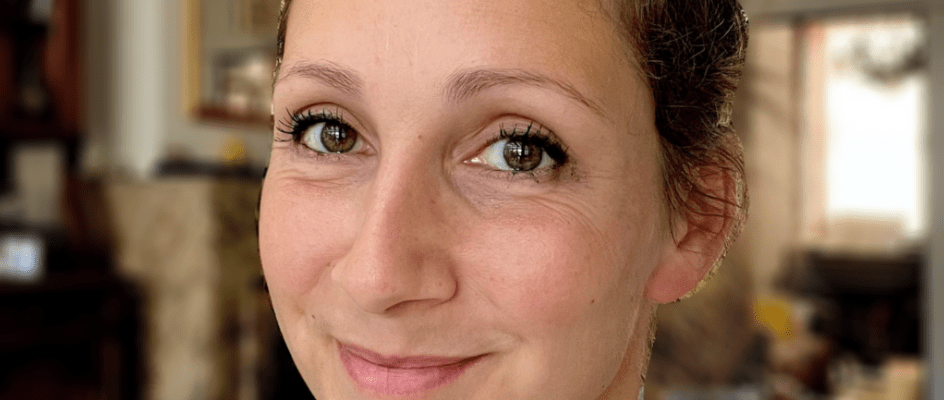
Zoë Ghyselinck is a visiting professor of German and Comparative Literature, Coordinator of the Consortium for Health Humanities, Arts, Reading, and Medicine (CHARM) and Co-President of the Young Academy of Belgium – Flanders (2025-2027). She earned her PhD from Ghent University in 2013, studying the reception of Greek tragedy and the philosophical concept of the tragic in early 20th-century German neoclassical literature. Her first monograph, Form und Formauflösung der Tragödie: Die Poetik des Tragischen und der Tragödie als religiöses Erneuerungsmuster in den Schriften Paul Ernsts (1866–1933), was published by De Gruyter in 2015, exploring the religious foundations of artistic and societal transformations in German neoclassical literature.
Her research and teaching focus on modern and contemporary representations and practices of communication with the dead, particularly in relation to developments in communication technology.
In 2026, she co-edited Necrodialogues and the Media. Communicating with the Dead in the Twentieth- and Twenty-First Centuries (De Gruyter/Brill, open access). This volume highlights the significance of narrative, ritual, symbolic, and technological communication practices with the dead in both historical and contemporary contexts, emphasising their role in shaping cultural and personal approaches to death, loss, and memory.
Ghyselinck is developing a research and teaching line at the intersection of literature, the arts, and care, with particular attention to the ways in which complex experiences of illness, dying, and mourning are being told and retold. In her project, Imagining the Post-Self: How Legacy Narratives Shape Bereavement Across European Lives, she examines anticipatory grief and the posthumous influence of legacy narratives created by terminally ill parents and grandparents for children in European end-of-life and bereavement contexts.
 Religion, Health, and Humanities Researchers